

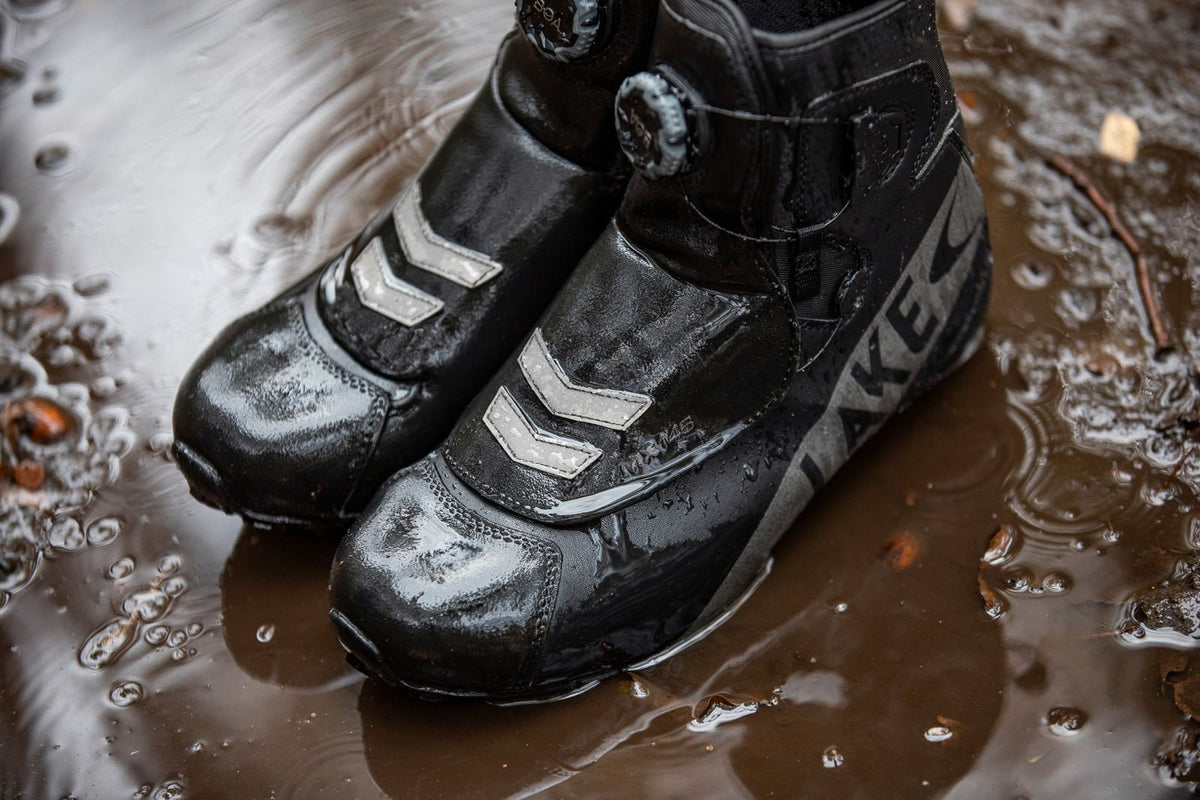
The DWR treatment on winter shoes will wear down over time from regular use, cleaning, dirt, road salt, and moisture. When water stops beading on the surface of the upper, we recommend applying a PFAS-free DWR treatment to help restore water resistance.
Before applying DWR, clean away any dirt, mud or road salt from the shoes. Follow the cleaning instructions for the upper material and remove the insoles before beginning.
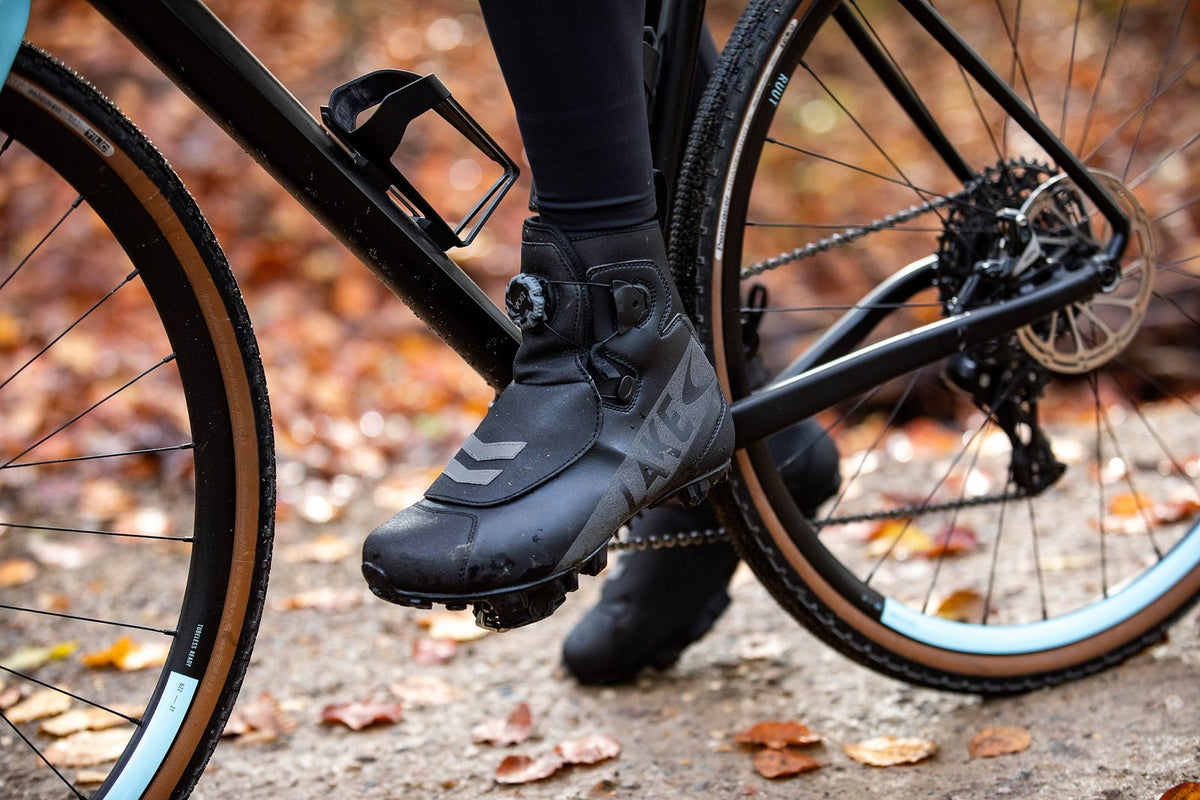
Applying DWR
1. Clean the shoes. Remove loose dirt and debris from the upper. DWR treatments should be applied to clean footwear.
2. Apply the treatment. Follow the instructions provided by the DWR manufacturer. Apply the product evenly across the upper, including seams and areas that are regularly exposed to water.
3. Remove excess product. Wipe away any excess treatment with a clean cloth.
4. Allow the shoes to dry. Allow the shoes to air dry at room temperature. Do not use shoe heaters, hair dryers, radiators or other direct heat sources.
Recommended DWR Treatments
We recommend using a PFAS-free footwear treatment that is suitable for the material of your shoes.
• Nikwax Fabric & Leather Proof – For fabric, leather and combination footwear.
• Granger’s Footwear Repel Plus – For leather, suede, nubuck and fabric footwear.
• GEAR AID Revivex – Use the appropriate treatment for leather or fabric/synthetic footwear.
Always follow the product manufacturer's application instructions and test the treatment on a small area before applying it to the entire shoe.
DWR treatment helps water bead and run off the outer surface of the shoe. It does not make the shoe waterproof. Lake winter shoes are designed to be highly water-resistant, but water can still enter during prolonged exposure to wet conditions.